Effective conversation helps parents create lasting, meaningful relationships with their kids. These 10 powerful statements can get you started on your way.
The Pew Research Center recently showed parents across America a list of 10 skills, asking the question: “Which of these skills is most important for a child to get ahead in the world today?” The winner, by far, was communication. In fact, not only was it chosen as the most important; it beat out traditional favorites, such as reading, writing, teamwork and logic.
Perhaps this is not surprising given our over-connected, always-on world. Yet parents often don’t realize how large of a role they actually play in developing and nurturing this skill. In my book, “Ten Powerful Things to Say to Your Kids: Creating the Relationship You Want with the Most Important People in Your Life,” I stress that effective conversation—what you say, how you say it, when you say it—is one of the only tools parents have in creating lasting and meaningful relationships with their kids.
As the father of two adult children and a grandfather to 13 in my blended family, I know that parents must be conscious of what they say and how they say it. Negative comments can often shape a conversation in a way we don’t realize and it’s important to be aware. Your words and conversations create your reality, your future and your relationships. What you talk about—or don’t talk about—defines your relationship. The primary conversations that surround your children are your conversations—both with them directly and with others while your children are present. And those are the conversations you have the power to change.
And you can start by using my list of the 10 most powerful things you can say to your kids:
1. I Like You: This is a different statement from “I love you.” This statement says, “I like who you are as a person.” Use them both
2. Your are a fast Learner: Learning is natural. Young children are amazing at it. Learning is play to them. What you say to them early influences how they relate to learning later in life, when it can be more difficult or frustrating.
3. Thank You: Simple courtesies are a sign of respect. Social skills are critical in life, and the best training for tact and grace starts early.
4. How about we agree to…: This is about establishing a few basic agreements that set the stage for how you work together within the family. Having agreements in place helps avoid common issues and provides a framework within which to solve problems when they do arise.
5. Tell me more: This is a request for your children to share their thoughts, feelings and ideas with you. It also involves learning to listen, which is always a gift because it signals that you care.
6. Let’s read: Reading to your kids brings so many benefits. It helps them build skills they need for success in life. It enriches your relationship and instills a love of learning. And books provide a gateway to the world—people, places and ideas.
7. We all make mistakes: Problems happen. No one is perfect. Dealing with problems and learning from mistakes are vital life skills. When you have a moment in which you don’t live up to your own standards, it’s an opportunity to show your children how to take responsibility for mistakes and move on. Kids can beat themselves up over not meeting your expectations or not being perfect. Giving each other a little room around this is a gift for both of you.
Showing posts with label Parenting. Show all posts
Sunday, April 3, 2016
Friday, January 8, 2016
You Shouldn’t Need A Reason For Not Having Kids
I wore a maxi dress to work today. The frequency in which I wear dresses to work is about once per month. I am more of a jeans and blouse kind of girl. So on the spontaneous day that I wear a dress like I did today, people notice and sometimes talk about it in the same way they might if I showed up with a tattoo on my face. Most days I don’t mind this. Today was not one of those days.
It was mid-morning and I was chatting with a coworker about my decision to go to 7/11 last night for a glazed doughnut (or two) at 11:00 p.m. I ate the doughnuts right before bed (I had had a day, okay?) and this morning when I woke up the first thing I saw was my crumpled up 7/11 doughnut wrapper on my nightstand staring at me, shaming me, and reminding me of my choices from the night before. While I described this narrative to a coworker, we laughed and I put my hand over the middle of my belly and said “oh well, it was worth it.”
A few seconds later I felt a hand on my shoulder from behind. I turned around and there was a middle-aged woman from another department standing there with a big grin on her face.
“What are you hiding under that lovely dress?” she asked. She looked at my coworker and winked. I snickered and replied: “Doughnuts.”
She didn’t think it was funny.
“Well, that’s not what I was hoping to hear,” she went on to say.
Not again, I thought. It was the hand over the belly. And the dress. Here it comes…
“I was hoping you were showing off a baby bump and you never wear dresses… I got excited,” she explained.
“Haha, sorry, no babies here. Not for a long time. Or ever,” I said, even though my coworker already knew this. She has been asking me about my plans for procreation since I started my job four years ago.
“Well that just makes me sad…” she said solemnly as she walked away.
Right. I forgot. Whether or not I am pregnant should be directly related to how you feel about my being pregnant.
I did not say this out loud. But I should have.
Her sentiments reminded me of something that happened a month ago while at church. An elderly woman with whom I have known for a couple years walked up to me amidst a conversation with a visitor in which I had stated that my husband and I would be celebrating our fifth wedding anniversary this upcoming summer. Upon hearing this comment the woman stated: “Five years already!? Oh honey, you better start popping out your babies now!”
The visitor I was talking to let out a giggle. Before I could say anything the woman continued, “Pretty soon it’ll be too late for you.”
And with that she strutted off to her seat in a pew.
It is time for those who view it as socially appropriate to make comments or jokes about a woman’s plans for child-bearing to understand that it’s not okay. It is also not okay to ask when she’s going to have kids or her reasons why she’s choosing not to. I don’t care who you are — unless you are my husband, doctor, or my best friend of fourteen years, do not ask me or make jokes about my pregnancy status. Or lack thereof. It’s not funny, cute, or kind. In fact, it’s the exact opposite, and depending on whatever my circumstances might be that you likely don’t know about it could be absolutely devastating.
A few months ago I went out with a girlfriend who is consistently one of the most positive and visibly happy people I have ever met. She never seems to have a bad day. I pointed this out to her as a compliment and said I admired her for it. The conversation went deeper and she revealed to me that she’s not always happy, and that her greatest source if sadness comes from not having had kids yet. She explained that she is constantly asked about it and it pains her. She struggles with depression in part because she’s wanted a baby for years but isn’t in a situation conducive to making it happen.
I know another woman who has been married for seven years and trying to get pregnant for six of them. She was told she likely can’t conceive so she has been to infertility treatment clinics for years and had no luck. It crushes her. She never knows what to say when she’s asked about children but confided that the question almost always makes her want to cry.
If someone says they don’t want kids, there is a good chance that there is a reason why that you are not entitled to or need to know. Because that reason is likely not something the woman enjoys discussing.
My husband and I have had the talk and agree that having kids is not a priority for us. Not now, not in six months, and if we so choose, not ever. My plans to give birth to another human life line up perfectly with my plans to work as a back-up dancer for Justin Beiber’s intergalactic tour through outer-space. So as it stands, that equates to never. And you know what? Alongside every other woman who also shares these feelings, we do not need a reason as to why.
Yet all too often, we find ourselves stuttering to justify or explain to other people how we could possibly not want to do the thing you are supposed to do after you get married, that is, make babies, which is a decision that doesn’t fit the favored life script that so many ascribe to and expect of others. Furthermore, when we do try to explain why we don’t want children, it often snowballs into an even more demeaning, presumptuous, and ignorant conversation on behalf of the other person when they say things like “Oh, you’ll change your mind someday,” or, “Sure, you say that now… just you wait a year or two!” But unlike the type of car you drive or whether you wear glasses or contacts or sleep with one partner or five, having kids is not necessarily a choice that you can change your mind about on a whim. Particularly if, like my two girlfriends, it is not a choice you can control.
This should be a no-brainer. But sadly, it’s become a part of the package that is Westernized marriage. If you’re a wife, you’re expected to also be a mother. And if you’re not…well than, what are you doing with a husband and a house and a fresh-out-of-college career if not preparing for your flock of future baby ducklings?
For women, there is hardly anything as inappropriately invasive and ignorant as comments or questions posed to her about her baby-making abilities or parts or plans. Nothing outside of asking her why she isn’t married or why she is overweight, or underweight, or how her menstrual cycle is coming along. I wonder whether people would ever deem it acceptable to ask a woman those intimate and deeply sensitive questions in public. My guess is no.
The reality that such people seem to have failed to recognize or consider is that the process of getting pregnant can be the greatest and most painful source of agony and grief that a woman ever experiences. That’s because she may miscarry — multiple times. And money, an unstable marriage or family, mental or physical illness, lack of support or career decisions could also be factors — the list of reasons goes on.
But the list doesn’t matter. Because the reasons are nobody’s business.
My coworker has no idea whether or not I had a miscarriage last month. She has no clue about the state of my marriage or health or where I am in my life journey. But for women who have dealt with obstacles in conceiving, her comment could have triggered intense sadness and depression and feelings of inadequacy.
Most women understand the intention might be sincere and possibly one of excitement about the possibility of getting to hold your future baby and buy cute clothes and crib accessories for them. But even so, having a baby isn’t about that.
Being a parent is hard. I have incredible amount of respect for parents. I believe the act of child-rearing is among the most honorable and wonderful things someone could choose to dedicate their life to. Parenting requires courage and selflessness and an impossible measure of patience and grace because having a baby is HUGE deal. A lot more so than things like your credit score or sex life or your views on gay marriage. Yet, I doubt a woman from work or church would ask me about those things in public.
My coworker’s comments inspired me to come up with a solution to this problem that works for me and may also work for others who share these sentiments. And the best solution I can think of to get this point across when we are asked about when we will have babies or why we don’t want them is to answer with this simple question: Why do you ask?
If they have the nerve to answer, it’s unlikely the answer has anything to do with the woman who made the choice and is more about them.
Kids are not a foreseeable part of my future. And I don’t need to give anyone a reason why other than because that is a part of what makes me, me. In the same way that motherhood shapes a woman’s identity, so does her choice, involuntary or not, to remain child-free. Period.
It was mid-morning and I was chatting with a coworker about my decision to go to 7/11 last night for a glazed doughnut (or two) at 11:00 p.m. I ate the doughnuts right before bed (I had had a day, okay?) and this morning when I woke up the first thing I saw was my crumpled up 7/11 doughnut wrapper on my nightstand staring at me, shaming me, and reminding me of my choices from the night before. While I described this narrative to a coworker, we laughed and I put my hand over the middle of my belly and said “oh well, it was worth it.”
A few seconds later I felt a hand on my shoulder from behind. I turned around and there was a middle-aged woman from another department standing there with a big grin on her face.
“What are you hiding under that lovely dress?” she asked. She looked at my coworker and winked. I snickered and replied: “Doughnuts.”
She didn’t think it was funny.
“Well, that’s not what I was hoping to hear,” she went on to say.
Not again, I thought. It was the hand over the belly. And the dress. Here it comes…
“I was hoping you were showing off a baby bump and you never wear dresses… I got excited,” she explained.
“Haha, sorry, no babies here. Not for a long time. Or ever,” I said, even though my coworker already knew this. She has been asking me about my plans for procreation since I started my job four years ago.
“Well that just makes me sad…” she said solemnly as she walked away.
Right. I forgot. Whether or not I am pregnant should be directly related to how you feel about my being pregnant.
I did not say this out loud. But I should have.
Her sentiments reminded me of something that happened a month ago while at church. An elderly woman with whom I have known for a couple years walked up to me amidst a conversation with a visitor in which I had stated that my husband and I would be celebrating our fifth wedding anniversary this upcoming summer. Upon hearing this comment the woman stated: “Five years already!? Oh honey, you better start popping out your babies now!”
The visitor I was talking to let out a giggle. Before I could say anything the woman continued, “Pretty soon it’ll be too late for you.”
And with that she strutted off to her seat in a pew.
It is time for those who view it as socially appropriate to make comments or jokes about a woman’s plans for child-bearing to understand that it’s not okay. It is also not okay to ask when she’s going to have kids or her reasons why she’s choosing not to. I don’t care who you are — unless you are my husband, doctor, or my best friend of fourteen years, do not ask me or make jokes about my pregnancy status. Or lack thereof. It’s not funny, cute, or kind. In fact, it’s the exact opposite, and depending on whatever my circumstances might be that you likely don’t know about it could be absolutely devastating.
A few months ago I went out with a girlfriend who is consistently one of the most positive and visibly happy people I have ever met. She never seems to have a bad day. I pointed this out to her as a compliment and said I admired her for it. The conversation went deeper and she revealed to me that she’s not always happy, and that her greatest source if sadness comes from not having had kids yet. She explained that she is constantly asked about it and it pains her. She struggles with depression in part because she’s wanted a baby for years but isn’t in a situation conducive to making it happen.
I know another woman who has been married for seven years and trying to get pregnant for six of them. She was told she likely can’t conceive so she has been to infertility treatment clinics for years and had no luck. It crushes her. She never knows what to say when she’s asked about children but confided that the question almost always makes her want to cry.
If someone says they don’t want kids, there is a good chance that there is a reason why that you are not entitled to or need to know. Because that reason is likely not something the woman enjoys discussing.
My husband and I have had the talk and agree that having kids is not a priority for us. Not now, not in six months, and if we so choose, not ever. My plans to give birth to another human life line up perfectly with my plans to work as a back-up dancer for Justin Beiber’s intergalactic tour through outer-space. So as it stands, that equates to never. And you know what? Alongside every other woman who also shares these feelings, we do not need a reason as to why.
Yet all too often, we find ourselves stuttering to justify or explain to other people how we could possibly not want to do the thing you are supposed to do after you get married, that is, make babies, which is a decision that doesn’t fit the favored life script that so many ascribe to and expect of others. Furthermore, when we do try to explain why we don’t want children, it often snowballs into an even more demeaning, presumptuous, and ignorant conversation on behalf of the other person when they say things like “Oh, you’ll change your mind someday,” or, “Sure, you say that now… just you wait a year or two!” But unlike the type of car you drive or whether you wear glasses or contacts or sleep with one partner or five, having kids is not necessarily a choice that you can change your mind about on a whim. Particularly if, like my two girlfriends, it is not a choice you can control.
This should be a no-brainer. But sadly, it’s become a part of the package that is Westernized marriage. If you’re a wife, you’re expected to also be a mother. And if you’re not…well than, what are you doing with a husband and a house and a fresh-out-of-college career if not preparing for your flock of future baby ducklings?
For women, there is hardly anything as inappropriately invasive and ignorant as comments or questions posed to her about her baby-making abilities or parts or plans. Nothing outside of asking her why she isn’t married or why she is overweight, or underweight, or how her menstrual cycle is coming along. I wonder whether people would ever deem it acceptable to ask a woman those intimate and deeply sensitive questions in public. My guess is no.
The reality that such people seem to have failed to recognize or consider is that the process of getting pregnant can be the greatest and most painful source of agony and grief that a woman ever experiences. That’s because she may miscarry — multiple times. And money, an unstable marriage or family, mental or physical illness, lack of support or career decisions could also be factors — the list of reasons goes on.
But the list doesn’t matter. Because the reasons are nobody’s business.
My coworker has no idea whether or not I had a miscarriage last month. She has no clue about the state of my marriage or health or where I am in my life journey. But for women who have dealt with obstacles in conceiving, her comment could have triggered intense sadness and depression and feelings of inadequacy.
Most women understand the intention might be sincere and possibly one of excitement about the possibility of getting to hold your future baby and buy cute clothes and crib accessories for them. But even so, having a baby isn’t about that.
Being a parent is hard. I have incredible amount of respect for parents. I believe the act of child-rearing is among the most honorable and wonderful things someone could choose to dedicate their life to. Parenting requires courage and selflessness and an impossible measure of patience and grace because having a baby is HUGE deal. A lot more so than things like your credit score or sex life or your views on gay marriage. Yet, I doubt a woman from work or church would ask me about those things in public.
My coworker’s comments inspired me to come up with a solution to this problem that works for me and may also work for others who share these sentiments. And the best solution I can think of to get this point across when we are asked about when we will have babies or why we don’t want them is to answer with this simple question: Why do you ask?
If they have the nerve to answer, it’s unlikely the answer has anything to do with the woman who made the choice and is more about them.
Kids are not a foreseeable part of my future. And I don’t need to give anyone a reason why other than because that is a part of what makes me, me. In the same way that motherhood shapes a woman’s identity, so does her choice, involuntary or not, to remain child-free. Period.
Friday, January 1, 2016
Cracked Nipples Home Remedies
From the hungry infant to scratchy undergarments, the nipples can take a beating that leads to the development of painful cracks. Women are not the only ones to suffer the aftermath. For instance, male athletes (such as cross country runners) can experience the same irritation. To minimize the discomfort and encourage healing, perhaps you’d like to get acquainted with home remedies for cracked nipples.
CAUSES AND SYMPTOMS
Nursing mothers are the prime sufferers of cracked nipples because of the wear and tear that comes with an infant hungrily latching on. One of the main reasons a mother will experience cracked or bleeding nipples is an improper latch, which is also accompanied by severe pain. Since feeding an infant is a daily task, healing is sometimes hindered. Using breast pumps is another way that nipples can become damaged [1]. For instance, some women mistakenly turn the suction level up too high or the pump is outfitted with breast shields that are too small.
Another cause of cracked nipples in women includes babies with thrush (yeast infection in the mouth). The infection can be passed on to mothers during breastfeeding and can cause pain and damage. Breastfeeding mothers should look for signs of itchiness, redness, cracks, and shooting pains in the breast during or after a feeding. Bras and undergarments made with abrasive materials that irritate the skin can cause cracked nipples.
Cracked nipples not only affect women, but men can also suffer. Severe dry skin conditions, such as eczema, can cause damage such as scaly, itchy, red patches of skin. Men with a breast cancer called Paget’s disease can experience a rash or irritation of the nipple. There is also a condition called ‘jogger’s nipple’ that strikes runners – especially long-distance runners. Since the nipple tissue is quite sensitive, friction can cause irritation accompanied by soreness and dryness.
CRACKED NIPPLES HOME REMEDIES
One of the most common culprits behind cracked nipples is breastfeeding, but nursing shouldn’t have to become a painful nightmare. As soon as you start to feel discomfort, keep an eye out on the appearance of your nipples. If the damage continues, you may need to consider one of the following home remedies for cracked nipples below:
1) Cold Pack:
Apply a cold pack to your nipples before nursing to enjoy temporary numbness that makes feeding your child less painful. The cold will dull the pain, which comes in especially helpful during the initial latch, which tends to produce the most discomfort.
2) Gentle Cleansing:
When cleaning your nipples, use a gentle approach. Rinse well with water to reduce the risk of infection in cracked nipples. Do not use alcohol, lotions, or perfumes on the nipples or you run the risk of further irritation.
3) Say ‘No’ to Soap:
Following childbirth, a liquid called colostrums emerges from the nipples. This substance acts as a natural lubricant that is removed when you use soaps that can also cause dryness and cracks. This is why you should opt for plain water when cleaning the nipples.
4) Coconut Oil:
Some people have rubbed coconut oil on cracked nipples to encourage effective healing.
5) Wet Washcloth:
A warm, wet washcloth can provide pain relief to cracked nipples before and after nursing.
6) Ice Cubes:
Before allowing a baby to latch up, apply ice cubes to cracked nipples. This will help to decrease the pain that occurs while nursing.
7) Tea Bags:
To enjoy soothing relief from cracked nipples, some women have applied warm, wet tea bags for a brief period of time after nursing.
h) Breast Milk:
Containing vitamin E, breast milk can actually help a mother heal cracked skin. After feeding the little one, pat dry your nipples, and then express a bit of breast milk. Rub in the liquid. Do not follow this home remedy for cracked nipples if you have thrust or you run the risk of spreading a yeast infection. Also, do not use the oil from a vitamin E capsule on your breasts as this is toxic for your baby.
8) Aloe Vera:
Having an aloe vera plant in the home can certainly come in handy. Break or cut open one of the leaves to extract fresh gel that helps speed up the healing process of sore, cracked nipples.
9) Petroleum Jelly:
Coating affected nipples with petroleum jelly (such as Vaseline) can help heal cracked skin. Runners can also apply the petroleum jelly as a lubricant before going out for a run to lessen the effects of chafing.
10) Olive Oil:
Olive oil helps cracked nipples to heal naturally. Using your bare hand, apply the oil to your nipples two to three times per day over the course of a couple days.
11) Lemon Juice and Olive Oil:
If you’re looking to prevent cracks in your nipples during a pregnancy, create a healing blend made out of pure lemon juice and olive oil. Rub the remedy on your nipples throughout your trimesters.
12) Honey and Olive Oil:
A mixture of honey and olive oil can soften and moisturized damaged nipples.
13) Avoid Soap:
When cleaning your irritated nipples, keep in mind that using soap can lead to further cracking.
14) Go Shirtless:
Male joggers prone to cracked nipples should consider taking off their shirt to prevent irritating the skin. Anyone else should choose their clothing carefully. Opting for items made out of silk and Lycra will reduce damage to the nipples. Choose loose-fitting shirts for the best results. Women should wear a sports bra that properly fits and reduced movement of the breast.
15) Surgical Tape and Cotton:
Protect a healing nipple by using a piece of surgical tape to cover a small amount of cotton over the damage.
16) Band-Aid:
When running or participating in sports with cracked nipples, use a Band-Aid as protection during any activity.
17) Diaper Rash Cream:
Soothing ointments, such as diaper rash cream, have been known to ease the pain of irritated skin.
CAUSES AND SYMPTOMS
Nursing mothers are the prime sufferers of cracked nipples because of the wear and tear that comes with an infant hungrily latching on. One of the main reasons a mother will experience cracked or bleeding nipples is an improper latch, which is also accompanied by severe pain. Since feeding an infant is a daily task, healing is sometimes hindered. Using breast pumps is another way that nipples can become damaged [1]. For instance, some women mistakenly turn the suction level up too high or the pump is outfitted with breast shields that are too small.
Another cause of cracked nipples in women includes babies with thrush (yeast infection in the mouth). The infection can be passed on to mothers during breastfeeding and can cause pain and damage. Breastfeeding mothers should look for signs of itchiness, redness, cracks, and shooting pains in the breast during or after a feeding. Bras and undergarments made with abrasive materials that irritate the skin can cause cracked nipples.
Cracked nipples not only affect women, but men can also suffer. Severe dry skin conditions, such as eczema, can cause damage such as scaly, itchy, red patches of skin. Men with a breast cancer called Paget’s disease can experience a rash or irritation of the nipple. There is also a condition called ‘jogger’s nipple’ that strikes runners – especially long-distance runners. Since the nipple tissue is quite sensitive, friction can cause irritation accompanied by soreness and dryness.
CRACKED NIPPLES HOME REMEDIES
One of the most common culprits behind cracked nipples is breastfeeding, but nursing shouldn’t have to become a painful nightmare. As soon as you start to feel discomfort, keep an eye out on the appearance of your nipples. If the damage continues, you may need to consider one of the following home remedies for cracked nipples below:
1) Cold Pack:
Apply a cold pack to your nipples before nursing to enjoy temporary numbness that makes feeding your child less painful. The cold will dull the pain, which comes in especially helpful during the initial latch, which tends to produce the most discomfort.
2) Gentle Cleansing:
When cleaning your nipples, use a gentle approach. Rinse well with water to reduce the risk of infection in cracked nipples. Do not use alcohol, lotions, or perfumes on the nipples or you run the risk of further irritation.
3) Say ‘No’ to Soap:
Following childbirth, a liquid called colostrums emerges from the nipples. This substance acts as a natural lubricant that is removed when you use soaps that can also cause dryness and cracks. This is why you should opt for plain water when cleaning the nipples.
4) Coconut Oil:
Some people have rubbed coconut oil on cracked nipples to encourage effective healing.
5) Wet Washcloth:
A warm, wet washcloth can provide pain relief to cracked nipples before and after nursing.
6) Ice Cubes:
Before allowing a baby to latch up, apply ice cubes to cracked nipples. This will help to decrease the pain that occurs while nursing.
7) Tea Bags:
To enjoy soothing relief from cracked nipples, some women have applied warm, wet tea bags for a brief period of time after nursing.
h) Breast Milk:
Containing vitamin E, breast milk can actually help a mother heal cracked skin. After feeding the little one, pat dry your nipples, and then express a bit of breast milk. Rub in the liquid. Do not follow this home remedy for cracked nipples if you have thrust or you run the risk of spreading a yeast infection. Also, do not use the oil from a vitamin E capsule on your breasts as this is toxic for your baby.
8) Aloe Vera:
Having an aloe vera plant in the home can certainly come in handy. Break or cut open one of the leaves to extract fresh gel that helps speed up the healing process of sore, cracked nipples.
9) Petroleum Jelly:
Coating affected nipples with petroleum jelly (such as Vaseline) can help heal cracked skin. Runners can also apply the petroleum jelly as a lubricant before going out for a run to lessen the effects of chafing.
10) Olive Oil:
Olive oil helps cracked nipples to heal naturally. Using your bare hand, apply the oil to your nipples two to three times per day over the course of a couple days.
11) Lemon Juice and Olive Oil:
If you’re looking to prevent cracks in your nipples during a pregnancy, create a healing blend made out of pure lemon juice and olive oil. Rub the remedy on your nipples throughout your trimesters.
12) Honey and Olive Oil:
A mixture of honey and olive oil can soften and moisturized damaged nipples.
13) Avoid Soap:
When cleaning your irritated nipples, keep in mind that using soap can lead to further cracking.
14) Go Shirtless:
Male joggers prone to cracked nipples should consider taking off their shirt to prevent irritating the skin. Anyone else should choose their clothing carefully. Opting for items made out of silk and Lycra will reduce damage to the nipples. Choose loose-fitting shirts for the best results. Women should wear a sports bra that properly fits and reduced movement of the breast.
15) Surgical Tape and Cotton:
Protect a healing nipple by using a piece of surgical tape to cover a small amount of cotton over the damage.
16) Band-Aid:
When running or participating in sports with cracked nipples, use a Band-Aid as protection during any activity.
17) Diaper Rash Cream:
Soothing ointments, such as diaper rash cream, have been known to ease the pain of irritated skin.
Thursday, December 31, 2015
Good and Safe Exercises For Pregnant Women
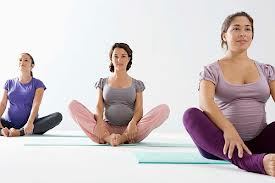
It is very important for the health of not only the mother, but the child as well, for the new mom to stay active. There are many safe activities that expecting mothers can do to keep in shape. If you are already exercising, you may be able to keep up with your routine and adapt it as you grow.
Low to moderate intensity aerobic workouts like walking, swimming or water jogging, and stationary cycling or elliptical are beneficial for heart health, stress relief and maintaining a healthy pregnancy weight.
Yoga
Your body becomes flexible and malleable. Be careful when stretching. Do not overdo it. Your body becomes more flexible under the influence of the hormone relaxing, which weakens the bond. Do not stretch too long, and do not try to significantly improve its flexibility.
Kegel Exercises
Pregnant women who perform Kegel exercises often find they have an easier birth. Strengthening these muscles during pregnancy can help you develop the ability to control your muscles during labor and delivery. Toning all of these muscles will also minimize two common problems during pregnancy: bladder leaks and hemorrhoids.
Walking
One of the best exercises because it gets your heart pumping without being too hard on your knees and ankles. The best thing about walking is that it can be done anywhere and all it requires is a good pair of supportive shoes. This is something that can be done all nine months of pregnancy. If you’ve been walking, keep it up.
Swimming in Pregnancy
Doctors and fitness trainers agree that swimming is the safest and most effective exercise for pregnant women. During swimming exercise muscles and limbs. It has good effects on the cardiovascular system and allows expectant mothers not to notice weight gain.
Tuesday, December 29, 2015
Superfoods To Add To Your Diet During Pregnancy
During your pregnancy the foods you eat are the main supply of nutrients for your growing baby so it’s important to eat right. The nutrients that you simply take in are what builds and feeds your child essential that you give it only the best.
Pregnancy Super foods :
Broccoli
This veggie is lower in calories and high in sulforaphane, that has anti-cancer properties. Broccoli is also full of vitamin K, lending assistance in blood clotting when you are getting that nasty paper cut, ascorbic acid to help build healthy bones and vitamin a to help with vision and strengthen your defense mechanisms.
Berries
Berries contain ascorbic acid, a touch of fiber, and a lot of antioxidants, that really help boost your immune system. So grab a bowl of blueberries, sprinkle some strawberries you cereal.
Carrots
Carrots would be the cream of the crop with regards to Vitamin A. This vitamin is vital for the development of your baby’s nose, eyes and teeth. These crunchy, on-the-go snacks will also be great sources of vitamins B6, C and fiber.
Beans
Then add black beans, white beans, pinto beans, lentils, black-eyed peas, and kidney, garbanzo, or soy beans for your diet. Try them in chili, salads, and pasta dishes. Besides providing protein and fiber, they’re also good sources of key nutrients, for example iron, folate, calcium, and zinc.
Yogurt
Yogurt contains friendly bacteria, that really help maintain the intestines and keep the bowels regulated. Additionally, it may suppress yeast overgrowth in both women and men. High in calcium, yogurt can also be believed to act as a natural hunger controller.
Pregnancy Super foods :
Broccoli
This veggie is lower in calories and high in sulforaphane, that has anti-cancer properties. Broccoli is also full of vitamin K, lending assistance in blood clotting when you are getting that nasty paper cut, ascorbic acid to help build healthy bones and vitamin a to help with vision and strengthen your defense mechanisms.
Berries
Berries contain ascorbic acid, a touch of fiber, and a lot of antioxidants, that really help boost your immune system. So grab a bowl of blueberries, sprinkle some strawberries you cereal.
Carrots
Carrots would be the cream of the crop with regards to Vitamin A. This vitamin is vital for the development of your baby’s nose, eyes and teeth. These crunchy, on-the-go snacks will also be great sources of vitamins B6, C and fiber.
Beans
Then add black beans, white beans, pinto beans, lentils, black-eyed peas, and kidney, garbanzo, or soy beans for your diet. Try them in chili, salads, and pasta dishes. Besides providing protein and fiber, they’re also good sources of key nutrients, for example iron, folate, calcium, and zinc.
Yogurt
Yogurt contains friendly bacteria, that really help maintain the intestines and keep the bowels regulated. Additionally, it may suppress yeast overgrowth in both women and men. High in calcium, yogurt can also be believed to act as a natural hunger controller.
Subscribe to:
Posts (Atom)